What is scoliosis?
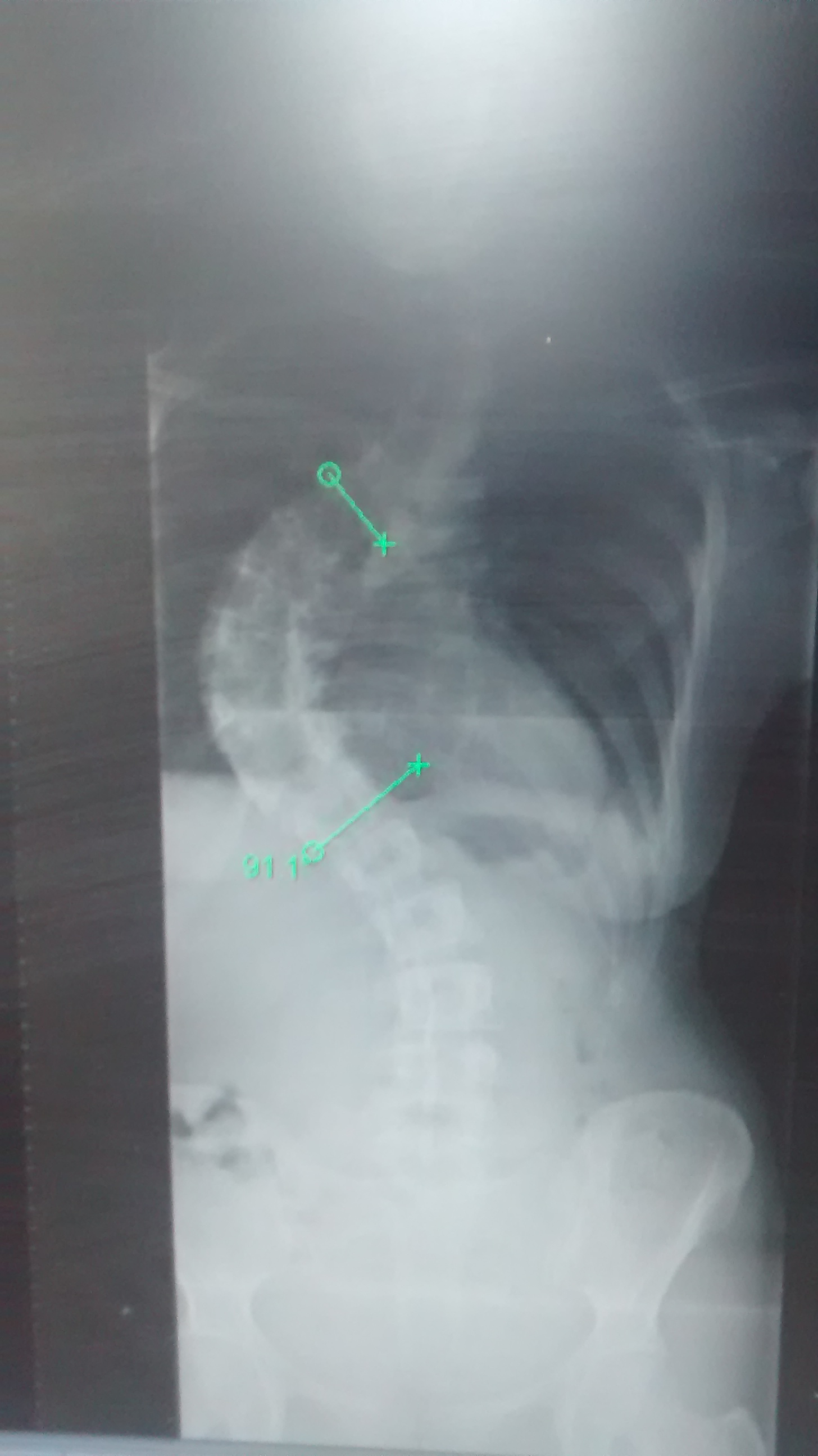
If you’ve found my website then I’m guessing you already know a little bit! Scoliosis is a sideways curve of the spine. There’s also some rotation of the vertebrae making scoliosis curves three dimensional. It’s this rotation that causes the raised area on one side (convex) and a compressed, hollow area on the opposite side (concave). In other words it creates a wonky body 🙂 A curve can be in any part of the spine and there may be more than one if you’re greedy! If the curve is in the thoracic spine (mid-back), it’s the spinal rotation that causes the ribs to twist and stretch outwards. Depending on the size and location of the curves in the spine; the shoulders, pelvis and hips may also be misaligned: for example one shoulder may be higher than the other.
There’s loads written about the technical presentation of scoliosis so there’s no need to repeat it here. However the amount of information can be overwhelming and it’s not easy to know if what you’re reading is accurate. Personally I’d recommend two resources for your scoliosis research:
- Scoliosis Support and Research has a very comprehensive website with all the facts about scoliosis. This has been reviewed by specialists and is bang up-to-date. They also offer lots of support to those living with scoliosis.
- Elise Browning Miller is an inspirational and experienced yoga for scoliosis teacher. Her website has lots of resources and articles on scoliosis explaining the four main curve patterns and the resulting muscular imbalances. Her book Yoga for Scoliosis: A Path for Students and Teachers is fantastic and has an excellent introduction – even if you don’t do the yoga postures!
How can yoga help with scoliosis?
All exercise and activity is beneficial when you have scoliosis. Movement is key for blood flow, healing and maintaining strength and flexibility. Not to mention the boost to your emotional health. In my experience, scoliosis doesn’t stop you from doing most sports and activities. Finding something you enjoy is what matters.
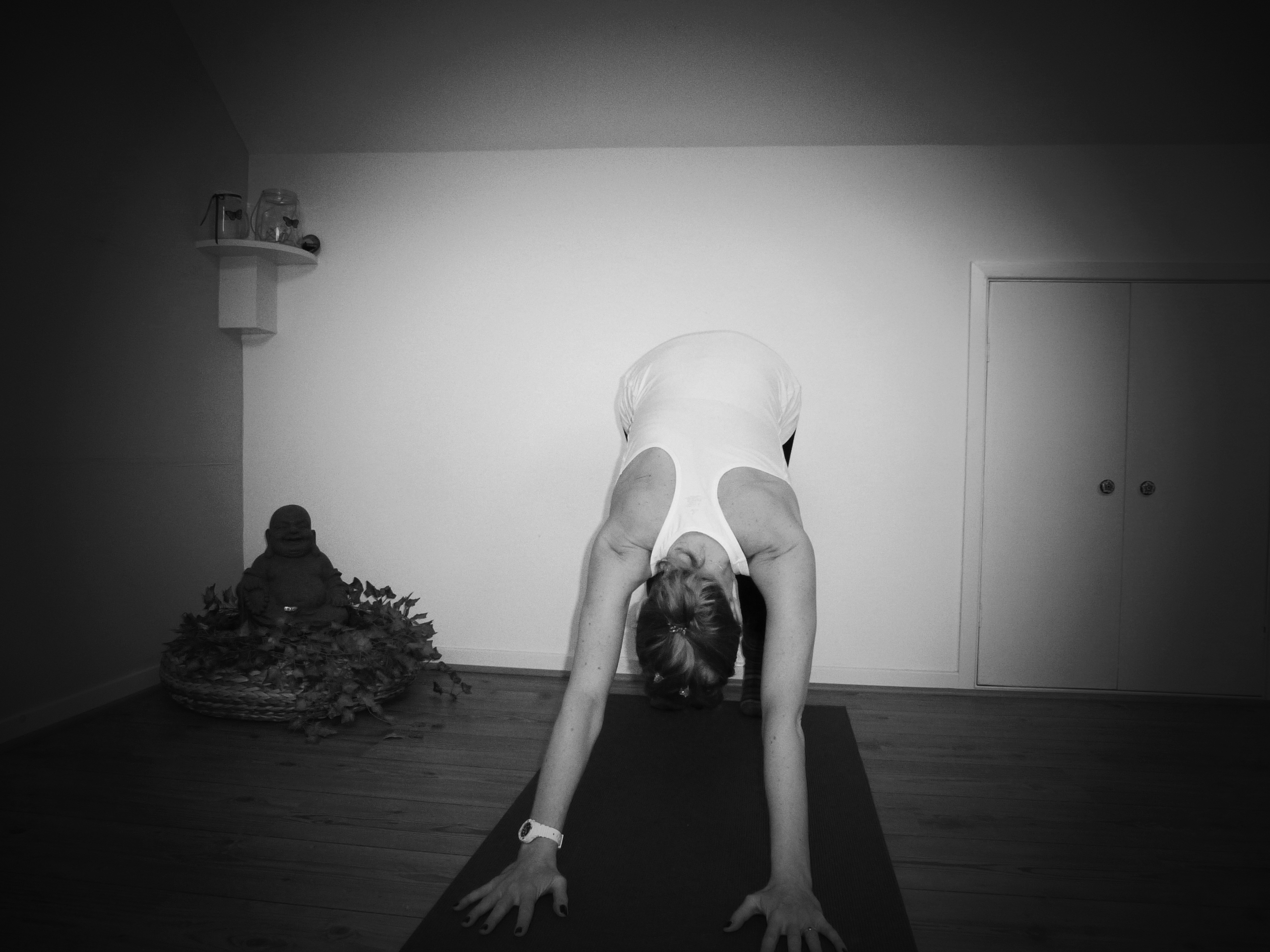
Yoga is particularly helpful for misaligned bodies as it can help you manage your curve or fused spine throughout your life. Because many yoga postures are practised on specific areas or sides of the body, a well thought out yoga practice offers multiple options for developing the weak or tight muscles that result from a curved spine.
The key is to understand your own curve pattern and work with this.
In yoga your body is supported by other parts of your body i.e. your arms, legs or hips. Each muscle group is under equal exertion and thereby strengthened. Practising asymmetrically means the compressed side of the back can be released and lengthened improving alignment and posture. Because postures are held for several breaths, muscles are invited to retain their position, creating muscle memory which can then be adopted in everyday life. I frequently practice mountain pose in the supermarket queue!
Many of the breath practices (pranayama) are brilliant for scoliosis and fused spines. Creating space from inside can help you find an even greater sense of alignment which will show on the outside. Learning to expand your lungs and breathing into the tighter parts of the spine and ribs is both calming for the mind and liberating for a compressed body.
Can yoga be practised with a fused spine?
Yes, absolutely!
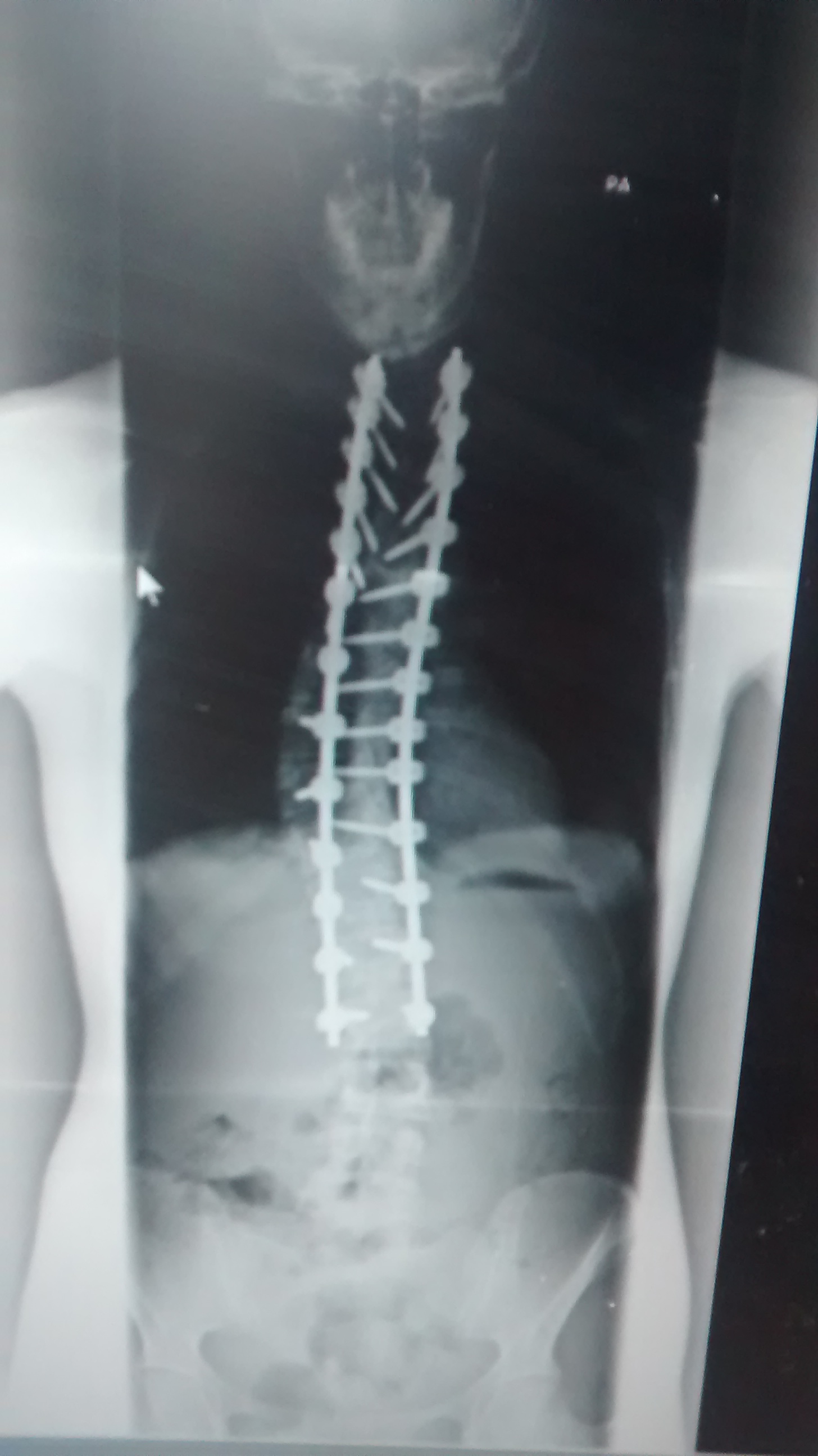
Lots of postures are accessible to those of us who’ve been through scoliosis surgery. A lot depends on where the fusion is. Back bends and twists are generally off the table but very gentle versions can be approached with awareness. Yoga is about exploring and listening to your body. Surgery doesn’t solve everything; there will still be muscular imbalances and the un-fused vertebrae have to do more work to compensate so they need looking after.
This is where yoga can help.
It’s best to focus on poses that maintain a neutral spine, which include many of the standing postures. Postures to strengthen the back muscles, develop core strength and lengthen the spine all help to maintain the health of a fused spine and encourage more fluid movement in the upper body.
And of course yoga nidra, meditation and breathing practices are still available to those of us who’ve had scoliosis surgery. You only need to be able to sit or lie down to do them! In fact these are probably the most valuable aspects of a yoga practice. You can still have a very full and varied practice with a fused spine – you just have to adapt and work with your range of movement.
 yogacurve.co.uk