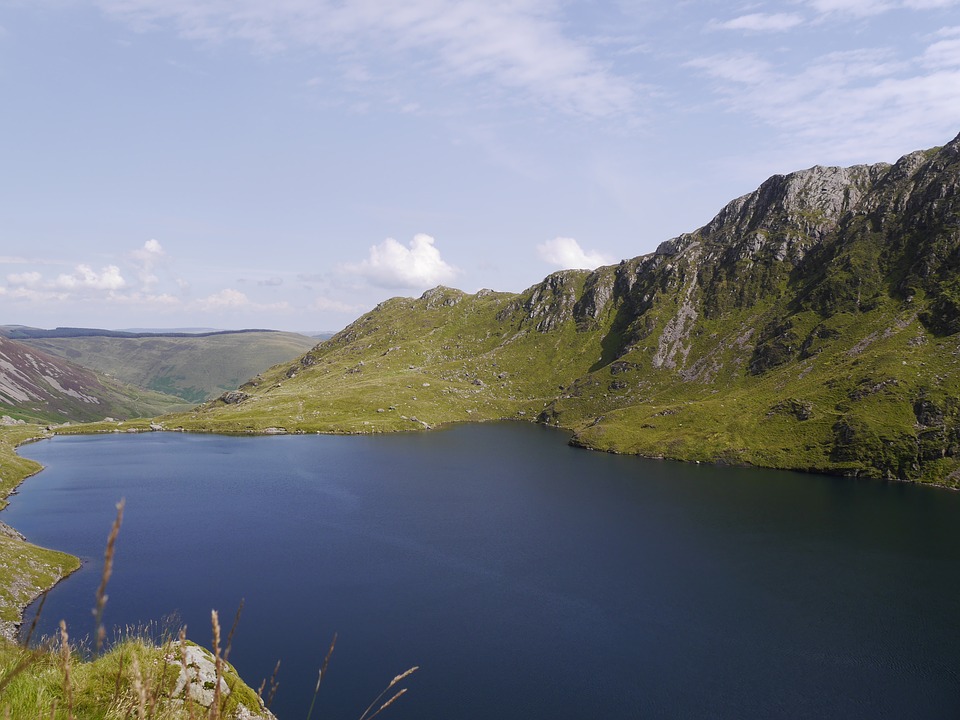
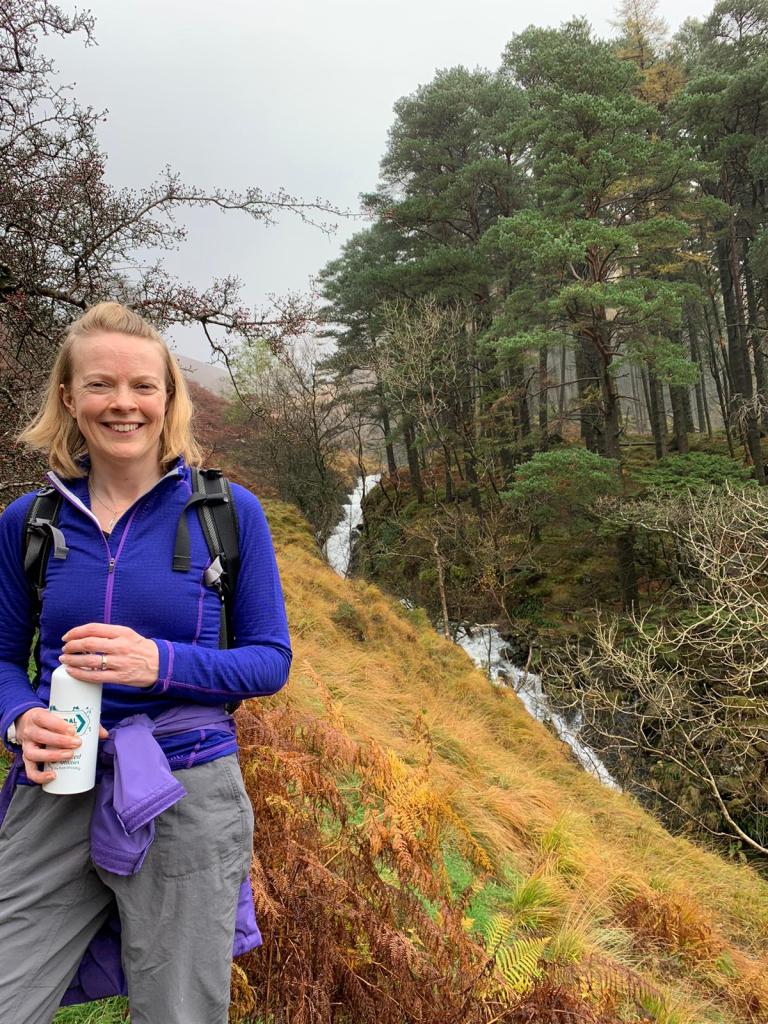
A few months ago I walked up Cadair Idris in southern Snowdonia. It was a beautiful, sunny day in autumn with no sign of rain: perfect walking weather. A bee got me in the car park before we started but not even a sting could dull my enthusiasm. We made it up in three hours including a detour to the lake which looked amazing. Whenever I complete something like this post-surgery I always feel great – and thankful – that my body is holding up.
The way up a mountain generally requires cardio fitness and can feel more challenging to most people; but it’s often on the way down that the body can take a beating. It can be tough on the joints; especially the ankles, knees and hips. If you have muscle imbalances or, if like me, you have any fused joints it can feel particularly clunky. The path down was steep and rocky and my lower back and pelvis took quite a hammering. A #spinalfusion means the body’s in built ‘shock absorber’ is compromised, with the unfused vertebrae at the bottom and/or the top of the spine doing far more work. If you’d like to enjoy the full benefits of hill walking on a regular basis, it’s important to look after yourself to avoid injury and muscle tightness.
This is where a well thought out yoga practice can help! Just fifteen minutes before and afterwards can make a huge difference: your muscles and joints will thank you for it and you’ll sleep better too. I’m a bit prone to uncomfortable or restless legs in the evenings after strenuous exercise. However I can alleviate this by targeted stretching and relaxing of the muscles we use the most on a long walk. I also find a hot bath or sauna helps 🙂
Try the following short yoga practices and see what works for you. #yogaforbackhealth
Before a hike
Mountain pose

What better posture to start a hike with, than mountain pose?! It’s the foundation for all standing postures. Stand with your big toes touching, heels slightly apart. Rock back and forth on your feet and toes to find an even balance of weight. Slightly lift your knee caps and engage your thigh muscles. Centre your pelvis over your heels and lengthen your tail bone down and your spine upwards. Imagine someone is gently pulling a piece of string from the crown of your head towards the sky. You may need to tuck your chin in slightly. Release your shoulder blades down your back and widen your collar bones. Have your arms relaxed by your sides, palms facing outwards a bit. Maintain for three to five breaths and feel yourself grow a little.
Forward fold

This will clear your mind and help engage your hamstrings which will work hard during a hike. From mountain posture put your hands on your hips. Take a breath in and as you exhale slowly hinge forward from the hips (not the waist). As bend down, keep your torso drawing away and out of the groin to maintain space and length in the front of your body. If it’s possible for you, keep your knees straight and bring your finger tips to the floor in front or beside you. You can also bring your hands round to the back of your ankles. If this is too much, fold your arms and hold your elbows. You can also bend your knees to protect your low back if your hamstrings are tight. Lift your sitting bones towards the ceiling and breathe. Hold for three breaths and with each exhale, release a little more into the bend.
Warrior 1

This will stretch out your ankles, calves and quads ready for action and is a great energiser for the challenge ahead. It also opens the back and shoulder muscles if you raise the arms in the full posture. From mountain posture step forward with your right leg, keeping the hips facing ahead. Keep the back heel down and the toes slightly turned out but still facing generally forwards. Bend the right knee, keeping it over the ankle. Draw the spine away from your pelvis and your shoulder blades down your back. Try not to over arch your lower spine. You can lift the arms up either side of your head, palms facing each other or in a ‘cactus’ style with your elbows bent. Alternatively you can keep them on your hips if you want to focus on your legs (keep the arms down if you have high blood pressure, heart problems or shoulder pain). Maintain for three breaths and then step back into mountain pose. Repeat on the other side.
Eagle pose

This is a great one to stretch your calves, ankles, shoulders and upper back. Start in mountain posture and bend your knees a little. Balance on your right foot and lift your left leg up and cross your left thigh over the right. Hook the top of the left foot behind the right calf. If this is too much and you’re struggling to balance, press the big toe of your left foot on the floor to keep you stable.
Then cross your arms in front of you so that the right arm is above the left, then bend your elbows. The right elbow should be snug into the inside of the left elbow. Bring your palms together if you can. Lift your elbows up and hold for three breaths. Unwind slowly and repeat with the arms and legs reversed.
After a hike..
Legs up the wall
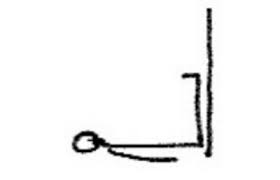
This is a brilliant pose after a long walk or if you’ve simply been on your feet all day. It’s not called the great rejuvenator for nothing! It will relieve your tired and cramped legs as the built up lactic acid drains away. It will stretch the back of your legs and back of your neck. It’s also very calming and a very effective pose to do before bedtime. Bring your mat against a wall and lie down so your bottom is close to the wall, bringing your legs up and the backs of your heels are resting on the wall. If you’re very stiff you may need to move further away from the wall to maintain a slight lumbar curve and protect your lower back. Have your arms slightly away from your sides with your palms facing upwards. Stay here for 5-10 minutes.
Reclining hand to big toe pose (with a belt!)
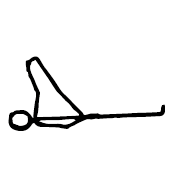
This will open and stretch your hips, thighs, hamstrings, groins, and calves – vital at the end of a hike. Lie down on your back, legs extended. Bend the left knee and draw the thigh into the torso, loop a belt around the ball of the left foot and hold the belt ends in each hand. Press the left heel towards the sky. Broaden your shoulder blades and try not to hold the belt tightly (no white knuckles!) Hold for 3-5 breaths. Each time you exhale, bring the foot slightly closer towards your upper body and release fractionally as you inhale. Repeat with the other leg.
Revolved belly pose
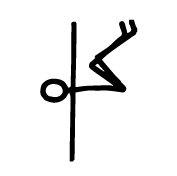
This will release and realign your back and bring softness to your belly to help relax you. Lying on your back, bring your arms out to the sides with the palms facing down in a T position. Bend both knees into the chest. As you exhale drop both knees over to the left side of your body, twisting the spine and lower back. Slide the knees as close to the left arm as possible. Look at the right finger tips. Hold for 3-5 breaths and release into the posture with every exhale.
Hero pose
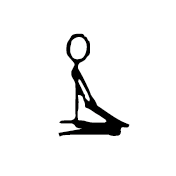
This is another great tonic for tired legs. Kneel on the floor with your inner knees touching. Slide your feet apart a little wider than your hips and have the top of the feet flat on the floor with your big toes pointing towards each other slightly. Sit down between your feet. It can be quite strong on the knees and ankles so you can modify by placing a block under your sitting bones to lift you and/or place a blanket under your ankles before you sit back. You can also place a blanket between your calves and thighs. Have your palms in your lap facing upwards or on your thighs. Hold for 3-5 breaths.
Fancy combining beautiful walks with relaxing yoga? Check out our yoga and walking weekends at Capel Jerusalem in Abergynolwyn, Wales.

 yogacurve.co.uk
wow!! 72yoga with a spinal fusion
LikeLike