People arrive at a yoga class for all sorts of reasons. The lure of a bendy body, flat stomach and the general healthy living vibe is often high on the list. Some people are dragged there by a friend whilst others just fancy an hour and half to themselves one evening a week. Increasingly the much publicised benefit for mental health is what’s got them through the door. Support for musculoskeletal conditions is also a common motivation. I’d been living with severe scoliosis for over ten years when I crept into my first yoga class. I’d read that yoga could help those of us with twisted bodies and I’d managed to pluck up the courage to get to a class at my local gym. I was nervous. Very nervous. Mainly that somebody (the teacher) would start touching my back or ask me a hundred questions whilst staring at my rib hump. I’d become adept at closing down conversations about my back during my teenage years but I entered the room with the hope I’d leave feeling a little less twisted.
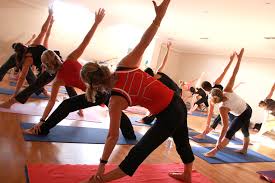
Thankfully the class was huge and I managed to get a spot at the back where I was largely ignored. This was an entirely inappropriate scenario for me physically but it meant I could relax a bit. No chance of any touching or awkward conversations. I followed the woman in front who was probably copying the woman in front of her. Again, not ideal, but it didn’t matter. I was stretching, moving and releasing my body in a way I’d never done before and it felt good. Downward dog felt great and the relaxation at the end gave me the opportunity to really explore how my body felt after exercise instead of ignoring it; which had been my main approach up until then. I scurried out at the end in case I was accosted by the teacher for a full medical history. I spent the next few months dipping in and out of the class, enjoying it but ever fearful of a conversation. It was some time before I attended a class where I was asked to complete a health questionnaire and many years before I had a face-to-face conversation about scoliosis with a teacher. By this point, I’d been practising Ashtanga for a long time which I loved, though in hindsight perhaps not the most appropriate yoga style for my misaligned body. I felt it gave me strength, improved breathing and better posture though. I also felt empowered as it was the first time I’d done something proactive to help my scoliosis. And the benefit of this can’t be overestimated.
Over the years, I attended a broader range of hatha and therapeutic yoga classes and undertook a non-dogmatic teacher training course which opened my eyes to the kind of yoga I needed to be doing to truly support my back. Teacher training also forced me out of my shell both in terms of talking about my back and being touched for adjustments.
These days, I can barely get through the door of a new class without the teacher enquiring about my back at some point. Teachers are asking students about their health, injuries and issues (quite rightly) as teaching becomes more professionalised and knowledge of the therapeutic benefits of yoga increases.. This is great progress and means students are increasingly getting the yoga they need for their minds and bodies.
However, since I started teaching, I’ve often cast my mind back to that first class I attended with conflicting views. I want to make my classes as welcoming as possible to those with medical conditions, whilst making sure the yoga fits their needs. However I’ve never forgotten how nervous I felt during that first class and how relieved I was at being left alone. I may never have returned to the class if the teacher had bounded over to me to discuss my back straightaway. As a teacher I try and strike a balance between asking new students to complete a simple health questionnaire and then getting to know them gradually. Obviously you need to know if they’re pregnant or just had heart surgery. And if a new student tells you they have scoliosis when they first arrive you should ask if they’ve consulted their doctor/specialist. But building trust in the first few weeks is also key: once a student feels comfortable, they’ll often come to you of their own accord to ask questions or won’t look uneasy if you approach them. At this point it’s right to ask about their condition in more detail. The fact somebody made it through the door is already a big acheivement: acknowledge this and you’ll make them feel better instantly. So long as the class is mindful and accessible with modifications, they’ll be safe until they want to know more about helping themselves.
#yogaforscoliosis #weyogaforscoliosis #scoliyoga

 yogacurve.co.uk
Really enjoyed reading your experience with yoga and scoliosis it’s inspiring how movement can support posture and confidence. I recently came across this piece on yoga and stretching for weight loss which also shares some great insights: https://www.shemed.co.uk/blog/yoga-stretching-for-weight-loss.
LikeLike
Hi This is a really reassuring perspective for anyone with scoliosis who’s nervous about starting yoga. Small, guided movements and listening to your body make such a difference long term. For people also managing weight or metabolic health alongside mobility, resources like https://wegovypricecompare.com/
LikeLike